
The Future of Fitness Isn't Harder Workouts. It's Better Understanding.
For years, the fitness industry has celebrated one thing above almost everything else.
More.
More calories burned.
More intensity.
More sweat.
More repetition.
More effort.
And for many people, that's been enough.
But something has changed.
The women walking into our classes today aren't simply looking to become fitter.
They're looking to feel like themselves again.
Many are navigating perimenopause or menopause. They're juggling careers, families, ageing parents, stress, poor sleep and endless demands on their time. They arrive carrying far more than a water bottle and a Pilates mat.
They arrive carrying nervous system overload.
As instructors, we have a choice.
We can continue to teach movement exactly as we always have.
Or we can begin to understand the person behind the movement.
Technique Still Matters. But It Isn't Everything.
Don't get me wrong.
Good movement matters.
Alignment matters.
Breath matters.
Strength matters.
But I've learned over more than 25 years working in health and wellbeing that people rarely struggle because they don't know how to move.
They struggle because their body no longer feels like a safe place to be.
You can give someone the perfect exercise.
But if they're overwhelmed, anxious, disconnected or exhausted, they won't experience it in the same way.
That's why I believe the future of movement education isn't about teaching more exercises.
It's about creating experiences that help people reconnect.
We Need to Stop Asking...
Instead of asking:
"Can they do this exercise?"
Perhaps we should ask:
"What does this person need today?"
Do they need challenge?
Or permission to slow down?
Do they need stronger muscles?
Or a calmer nervous system?
Do they need correction?
Or confidence?
Sometimes the most powerful thing we can offer isn't another progression.
It's helping someone breathe a little easier.
Move with less fear.
Feel safe enough to trust their body again.
The Instructor's Role Is Evolving
Today's instructor isn't simply a movement coach.
They're an educator.
A guide.
A listener.
Someone who understands that movement affects far more than muscles.
When we appreciate how stress, emotions, breathing, recovery and the nervous system influence movement, everything changes.
Our cueing changes.
Our language changes.
Our expectations change.
Most importantly...
Our participants change.
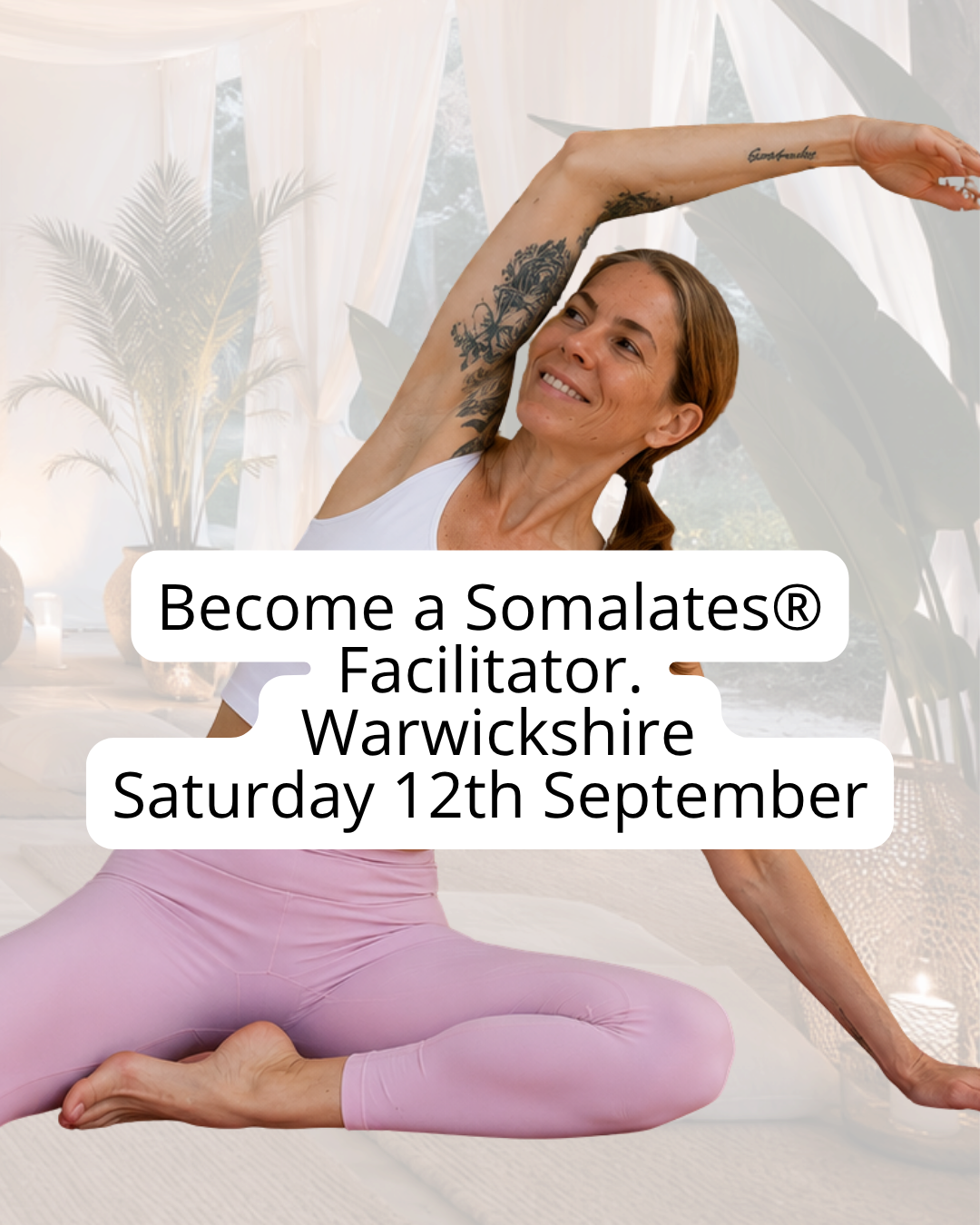
Why I Created Somalates®
Somalates® wasn't created to replace Pilates.
Or yoga.
Or fitness.
It was created to bridge the gap between movement and wellbeing.
To combine mindful movement with nervous system awareness.
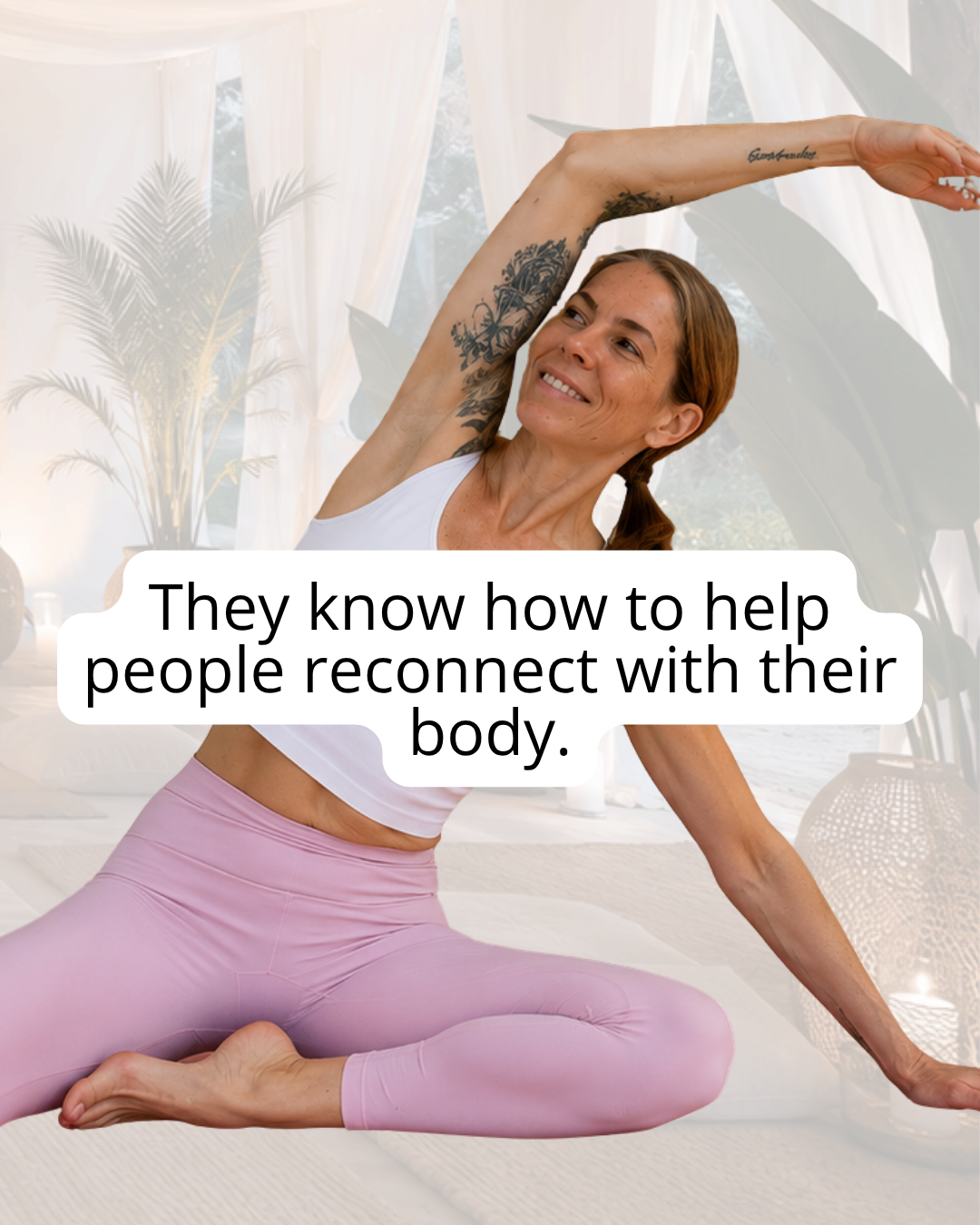
To help people reconnect with their bodies instead of fighting against them.
Because when people feel safe...
They move differently.
When they move differently...
They feel differently.
And that's where lasting change begins.
The Future Starts Here
I truly believe the future of mindful movement belongs to instructors who understand both the science of movement and the human being standing in front of them.
Because the best instructors don't just teach exercises anymore.
They understand the person who's moving.
And I think that's exactly what our industry needs next.
Share this post:
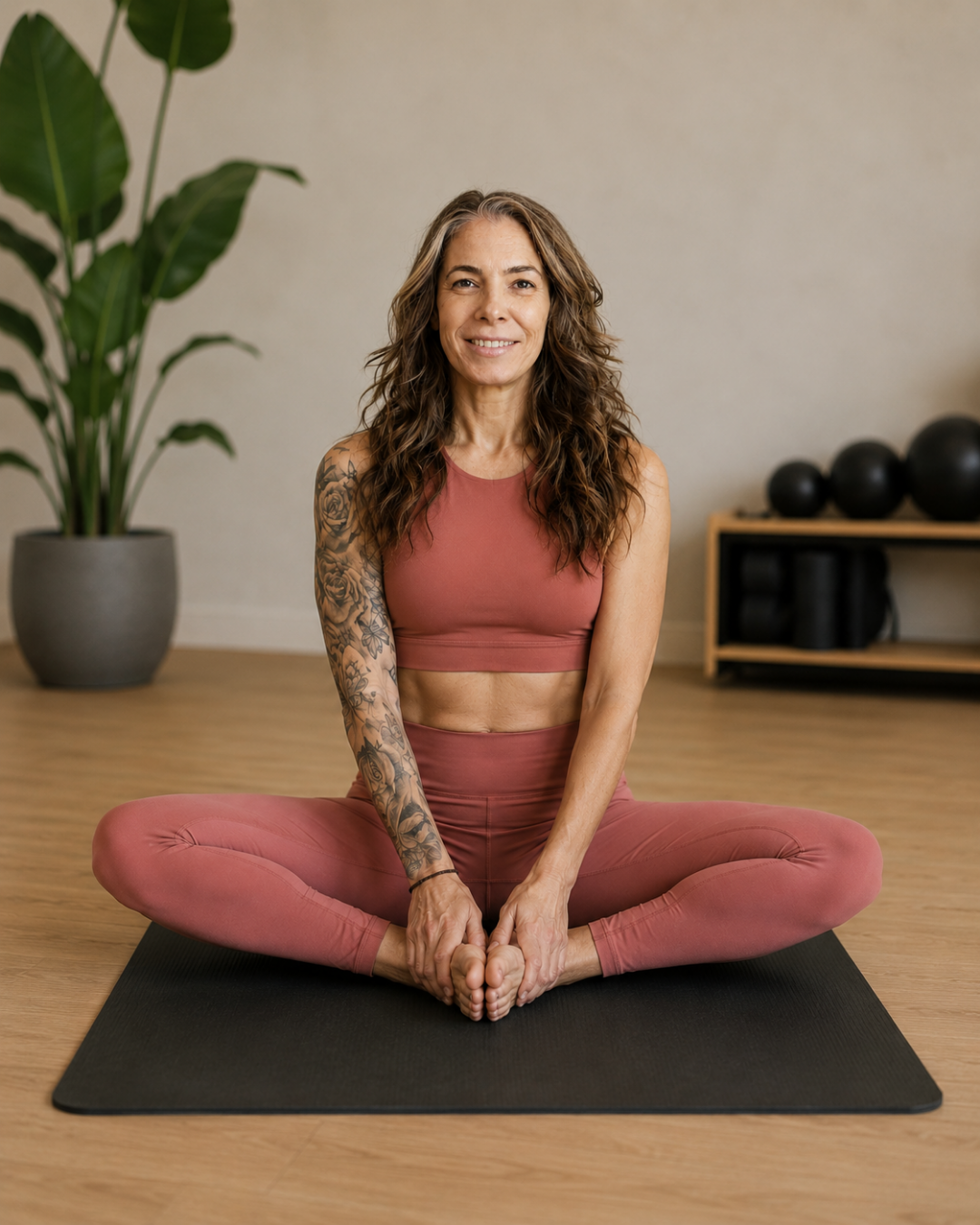
About Somalates® and Tracy Richardson MSc
Somalates® is a mindful movement approach that blends Pilates, somatic movement, breathwork and nervous system awareness to help people reconnect with their bodies and find greater balance, strength and wellbeing.
Tracy Richardson MSc is the creator of Somalates® and founder of Serendipity Wellness®. With over 25 years' experience in health, therapy and movement, she combines evidence-based practice with a compassionate, person-centred approach. Tracy is passionate about helping people move with awareness and inspiring instructors to understand the person behind the movement.
When she's not teaching or writing, you'll usually find her walking her dog, practising Pilates or enjoying a calming cup of tea.